
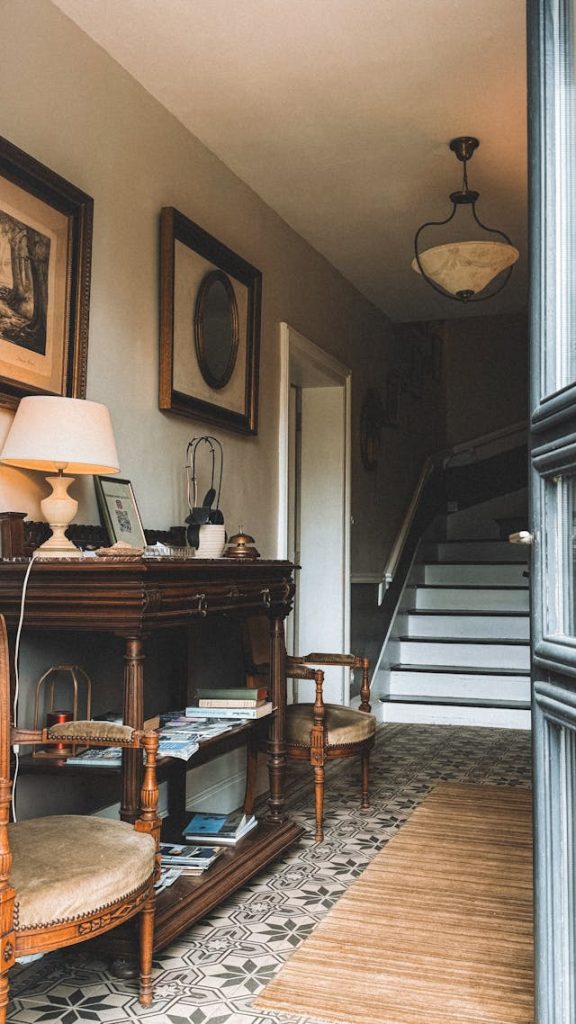
A Familiar Scent with a Hidden Story
Walk into an older home and you might notice it right away—that faint, musty, slightly sweet odor often described as the “old house smell.” Some people associate it with charm or history, but in reality, that scent usually has very little to do with age alone. It’s more of a signal than a signature.
What Causes the Smell?
At its core, that smell is typically the result of long-term moisture interacting with organic materials. Over time, things like wood, drywall, insulation, and even dust begin to break down. When moisture is present—whether from humidity, minor leaks, or poor ventilation—microbial growth can take hold.
This includes mold and mildew, which release compounds known as microbial volatile organic compounds (MVOCs). These are what your nose is picking up. Even if visible mold isn’t obvious, the smell can still linger in porous materials like carpets, subflooring, and wall cavities.
It’s Not Just About Mold
While mold is often the main contributor, it’s not the only factor. Older homes tend to have:
- Outdated ventilation systems or none at all
- Aged building materials that absorb and retain odors
- Settling and air leaks that allow damp air to linger
- Basements or crawl spaces that trap moisture
Over decades, these elements combine to create that distinct scent. Think of it as a buildup of environmental history rather than a single issue.
Should You Be Concerned?
That depends on the source and severity. A mild odor might simply reflect age and limited airflow. But a stronger, persistent smell is worth investigating. It can point to:
- Hidden moisture intrusion
- Inadequate insulation or vapor barriers
- Poor drainage around the foundation
- Active mold growth behind surfaces
Ignoring it doesn’t make it go away—in fact, it often gets worse over time.
How to Address It
The key is not to mask the smell but to identify and correct the underlying cause. A thorough inspection usually focuses on moisture control first. That might include:
- Improving ventilation (especially in attics and basements)
- Sealing air leaks and adding proper insulation
- Repairing leaks or drainage issues
- Removing and replacing contaminated materials if needed
In some cases, professional mold remediation may be necessary, especially if the odor is strong or widespread.
The Bottom Line
That “old house smell” is less about age and more about conditions over time—specifically, how moisture and air movement have been managed (or not managed). While it’s common, it shouldn’t be dismissed outright. With the right approach, most causes can be corrected, and the home can feel just as fresh as it looks.
A house can keep its character without holding onto that smell—you just have to listen to what it’s trying to tell you.
Recent Comments