
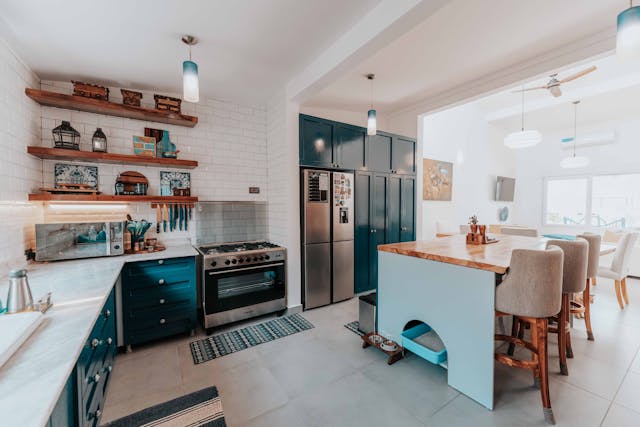
Open floor plans continue to be one of the most popular remodeling trends for homes. The idea of combining the kitchen, dining area, and family room into one connected space appeals to homeowners who want better flow, more natural light, and a modern feel. While the final result can completely change the atmosphere of a home, the planning stage is where the real work happens.
Opening up a home takes more than knocking down a wall. Careful preparation can prevent expensive surprises and help the project run more smoothly from start to finish.
Understand Which Walls Matter
One of the biggest mistakes in remodeling is assuming every interior wall can be removed safely. Many walls help carry the weight of the roof or upper floors. Eliminating the wrong one without proper support can create serious structural damage over time.
Before making any changes, it is important to have the home evaluated by a qualified professional. In many older homes, framing methods can vary widely, which makes a proper assessment especially important.
Budget Beyond the Demolition
Demolition may seem like the exciting part, but it is often only a small portion of the total expense. Once walls are opened, hidden items frequently appear. Electrical wiring may need updating, plumbing lines may require relocation, and heating or cooling systems sometimes need redesigning to fit the new layout.
It is also common to uncover older materials or construction methods that no longer meet today’s standards. Building extra room into the budget helps avoid stress when unexpected repairs appear.
Don’t Overlook Permits
Permits are an important part of major remodeling work. Structural modifications, electrical changes, and plumbing adjustments usually require approval from the local building department. Proper permits help ensure the work follows current safety codes and industry standards.
Homes with unpermitted remodeling can create complications during future inspections or resale transactions, especially in competitive real estate markets.
Think About Noise and Privacy
Open layouts look spacious, but they also change how sound travels through a home. Conversations, kitchen noise, televisions, and appliances become much more noticeable when walls are removed.
A well-designed remodel balances openness with functionality. Features like partial walls, ceiling beams, large islands, or strategic furniture placement can help separate spaces without making the home feel closed off.
Lighting Changes Everything
Natural light is one of the biggest advantages of an open concept design. Removing barriers often allows sunlight to reach areas that once felt dark or cramped. However, artificial lighting also deserves attention.
A combination of recessed lights, decorative fixtures, and task lighting usually creates the best balance for large shared spaces.
Final Thoughts
An open concept remodel can make a home feel completely refreshed, but successful projects always begin with thoughtful planning. Structural considerations, permits, hidden systems, lighting, and daily functionality should all be part of the conversation before work begins. When handled correctly, an open layout can create a welcoming space that feels brighter, more comfortable, and better suited for modern living.
Recent Comments