
Tree trimming often gets pushed to the bottom of the to-do list. After all, if the branches are still green and the leaves look healthy, what’s the rush? The reality is that overgrown trees can quietly create risks and costly problems if left unchecked. Regular trimming isn’t just about appearance—it’s about protecting your property and keeping everything functioning as it should.
Preventing Property Damage Before It Starts
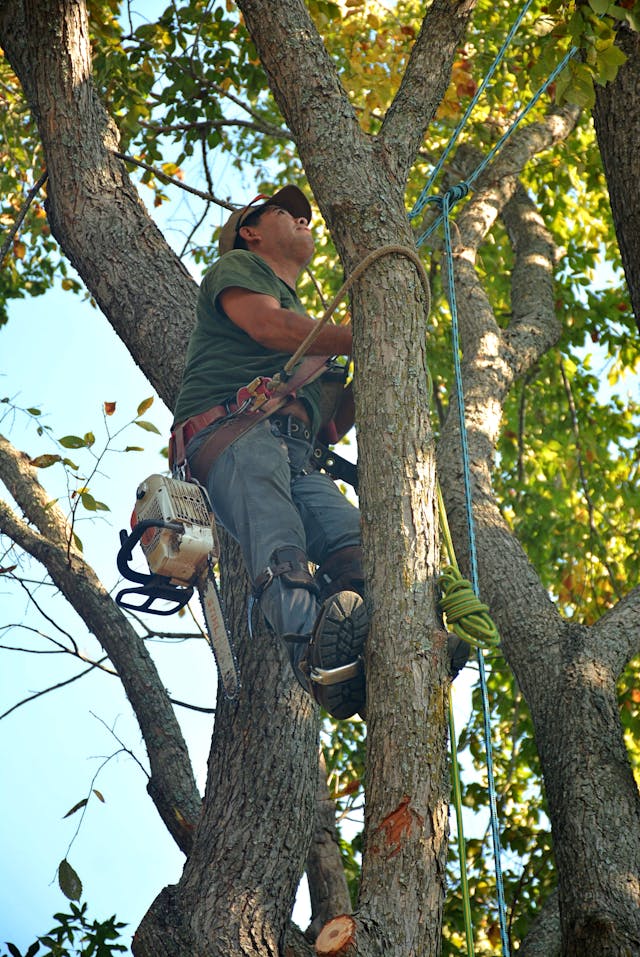
Branches that hang too close to the house can become a problem faster than expected. During storms or high winds, even a healthy limb can snap and cause damage to siding, windows, roofing, or gutters. Over time, branches rubbing against the exterior can wear down materials and create entry points for moisture.
Keeping trees properly trimmed creates a safe buffer zone between the structure and surrounding growth. It’s a small step that can prevent repairs that are anything but small.
Protecting Your Roof and Gutters
Leaves, twigs, and debris from overhanging branches often end up in gutters. When gutters clog, water can’t flow properly away from the home. That leads to overflow, which can damage fascia boards, siding, and even the foundation if drainage becomes severe enough.
Trimming back branches reduces the amount of debris falling onto the roof and into the gutter system. It also helps sunlight reach the roof surface, allowing it to dry more efficiently after rain or snow.
Discouraging Pests and Unwanted Guests
Overgrown trees can act as bridges for pests. Rodents, insects, and other critters often use branches to access roofs, attics, and other vulnerable areas. Once inside, they can cause insulation damage, wiring issues, and contamination.
Maintaining distance between trees and the home makes it much harder for pests to find easy entry points. It’s a practical, preventative measure that supports overall home health.
Improving Safety Around the Property
Dead or weakened branches pose a safety risk, especially in areas where people walk, park, or spend time outdoors. These limbs can fall without much warning, particularly after weather changes.
Routine trimming removes these hazards before they become dangerous. It also improves visibility around driveways and walkways, which is especially helpful during darker months or in areas with frequent weather shifts.
Supporting Tree Health and Longevity
Trimming isn’t just about the house—it benefits the trees themselves. Removing dead or overcrowded branches promotes better air circulation and allows for sunlight to penetrate. This helps reduce the risk of disease and encourages stronger, more stable growth.
Healthy trees are less likely to drop limbs unexpectedly and are better equipped to handle storms and seasonal changes.
Enhancing Curb Appeal Without Overdoing It
Well-maintained trees contribute to a clean, balanced look for any property. Overgrown or uneven branches can make even a well-kept home appear neglected. Thoughtful trimming sharpens the overall appearance without taking away the natural character of the landscape.
A Smart Part of Routine Maintenance
Tree trimming isn’t a one-time task—it’s part of ongoing property care. Addressing it regularly helps avoid larger issues down the line and keeps everything running smoothly.
In the bigger picture, it’s one of those maintenance steps that quietly protects the home, supports safety, and keeps the property looking its best.
Recent Comments