
A Safe Swimming Season Begins with Smart Protection
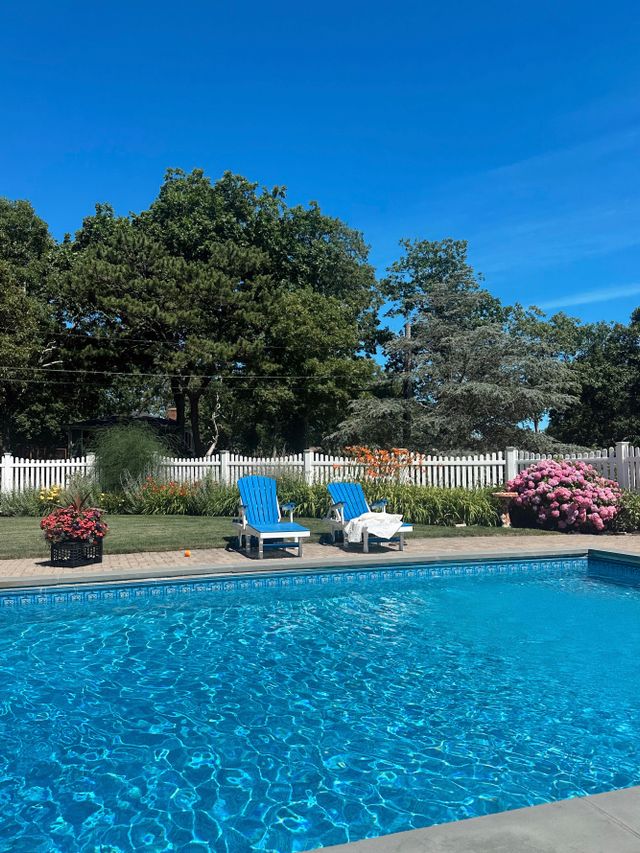
A backyard swimming pool can be one of the most enjoyable features of any home, offering a place to relax, exercise, and spend quality time with family and friends. However, every pool also carries serious safety responsibilities. Whether the pool is used every day or only occasionally, taking preventive measures is essential to reducing the risk of accidents and creating a safer outdoor environment.
Pool Barriers Are the First Line of Defense
One of the most effective safety features around any swimming pool is a properly installed barrier. Fencing helps prevent unsupervised access by young children, pets, and even unexpected visitors. A secure barrier should completely surround the pool, be difficult to climb, and include a self-closing, self-latching gate that automatically returns to the closed position after each use.
Even a brief moment of unrestricted access can lead to tragedy. A well-maintained pool barrier provides valuable protection by limiting access when the pool is not actively being supervised.
Regular Inspections Help Identify Hidden Concerns
Pool safety equipment should never be considered a “set it and forget it” feature. Gates, latches, hinges, fencing, and locks should be inspected regularly for wear, damage, or improper operation. Weather, ground movement, and normal use can gradually affect the performance of these important safety components.
Property owners should also ensure that there are no objects positioned near the fence that could be used as climbing aids, such as patio furniture, storage bins, landscaping features, or children’s toys.
Safety Extends Beyond the Fence
While barriers are critical, they are only one part of a comprehensive safety plan. Keep the pool area free of unnecessary hazards by maintaining slip-resistant walking surfaces and storing chemicals securely. Rescue equipment, such as a life ring or reaching pole, should remain easily accessible, and emergency phone numbers should be readily available in case immediate assistance is needed.
Pool alarms, door alarms leading to the pool area, and properly fitted safety covers can provide additional layers of protection, especially for households with young children.
Safe Habits Make a Lasting Difference
Consistent supervision remains the most important safety practice whenever the pool is in use. Children must never be left unattended near water, regardless of swimming ability. Establishing clear pool rules, encouraging swimming lessons, and avoiding distractions while supervising swimmers all contribute to a safer experience.
Routine maintenance also supports safety by keeping water clear enough to see the bottom of the pool, ensuring drains and covers remain in good condition, and confirming that all equipment operates properly.
Protecting What Matters Most
Backyard pools are designed for recreation and enjoyment, but they require ongoing attention to remain safe. Proper pool barriers are one of the most valuable investments a homeowner can make, helping prevent unauthorized access while supporting a safer environment for everyone. By combining secure barriers with routine maintenance, regular inspections, and responsible supervision, homeowners can enjoy their pools with greater confidence while significantly reducing preventable risks.
Recent Comments