
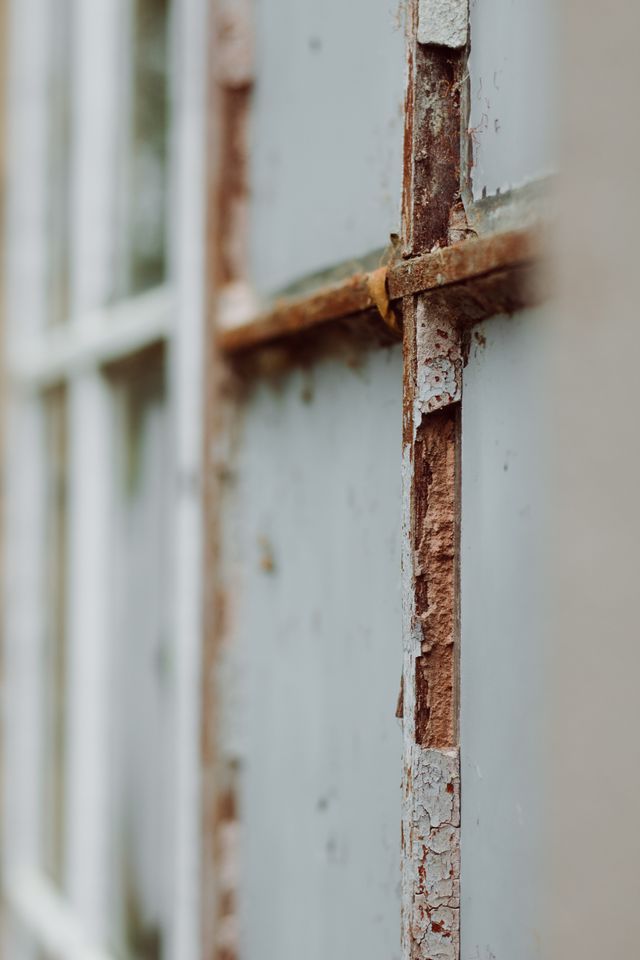
Wood is one of the most durable building materials used in residential construction, but it has one weakness that should never be overlooked—moisture. When wood remains damp for extended periods, fungi can begin to break it down, resulting in wood rot. Left unchecked, rot can weaken structural components, create costly repairs, and even attract wood-destroying insects.
The good news is that wood rot is often preventable when caught early. Knowing where it is most likely to develop is the first step toward protecting your home.
Why Does Wood Rot Develop?
Wood rot requires three ingredients: moisture, oxygen, and a food source—which wood naturally provides. Leaking roofs, poor drainage, plumbing leaks, clogged gutters, and high humidity all create conditions where rot can flourish.
Regular maintenance and prompt repairs are the best defense against long-term damage.
The Most Common Places to Find Wood Rot
Window and Door Frames
Windows and exterior doors are constantly exposed to rain, snow, and seasonal temperature changes. Failed caulking, peeling paint, or deteriorated flashing can allow moisture to seep into the wood, causing decay over time.
Look for:
- Soft or spongy wood
- Cracked paint
- Dark staining
- Wood that crumbles when gently probed
Decks, Porches, and Steps
Outdoor structures experience years of weather exposure. Deck boards, support posts, stair stringers, and railings are especially vulnerable if water is allowed to collect or protective finishes wear away.
Pay close attention where wood meets concrete or soil, as these locations tend to stay damp longer.
Roof Edges and Fascia Boards
Roof leaks don’t always appear inside the home first. Damaged shingles, overflowing gutters, or failing flashing can direct water behind fascia boards and roof trim, allowing hidden rot to develop.
Routine roof and gutter maintenance helps prevent these issues.
Siding and Exterior Trim
Wood siding and trim near the ground or around roof intersections often receive repeated moisture exposure. Poor drainage or landscaping that traps water against the house can accelerate deterioration.
Keeping shrubs trimmed back and maintaining proper clearance between soil and wood can significantly reduce risk.
Basements and Crawl Spaces
Even though these areas are out of sight, they frequently experience elevated humidity or occasional water intrusion. Floor joists, sill plates, beams, and support posts should be inspected periodically for signs of moisture damage.
Proper ventilation and moisture control are essential for protecting structural framing.
Bathrooms, Kitchens, and Laundry Rooms
Interior plumbing leaks can slowly damage cabinets, flooring, and wall framing without obvious warning. Small drips beneath sinks, around tubs, behind toilets, or near washing machines may go unnoticed for months before rot becomes visible.
Early leak detection can save thousands in repair costs.
Don’t Forget the Garage
Garage door trim, wall framing near the slab, and wooden framing around utility penetrations can also experience moisture-related deterioration. Seasonal weather changes and poor drainage outside the garage often contribute to hidden damage.
Protecting Your Home
Wood rot rarely improves on its own. Small problems tend to become expensive repairs when moisture continues to penetrate building materials. Annual inspections of both the interior and exterior, along with keeping gutters clean, repairing leaks quickly, maintaining exterior paint and caulking, and ensuring proper drainage around the foundation, can dramatically reduce the likelihood of rot developing.
A careful inspection today can help preserve your home’s structure, maintain its value, and prevent minor moisture issues from becoming major repair projects tomorrow.
Recent Comments