
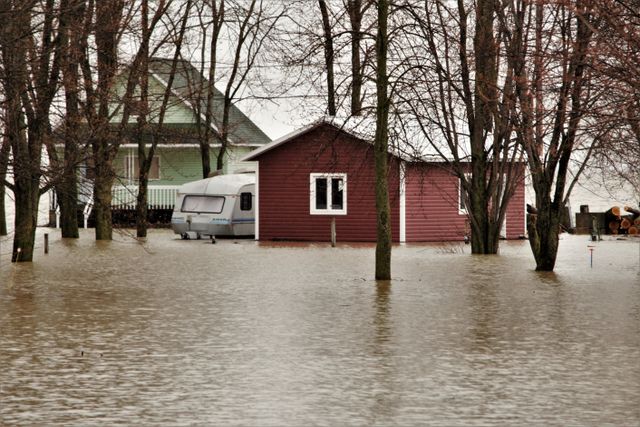
For the majority of people, purchasing a home is one of the biggest financial decisions that can be made. While factors like location, layout, and curb appeal often take center stage, there is one detail that deserves careful attention: a property’s flood history. A home that has experienced flooding in the past is not automatically a bad investment, but it does require a closer look before moving forward.
Understanding the Story Behind the Flooding
Not all flood events are created equal. Some homes may have experienced minor water intrusion during an unusually severe storm that occurs once in a generation. Others may have a recurring history of flooding caused by poor drainage, a high water table, or nearby waterways that regularly overflow.
The key is understanding what happened, why it happened, and whether effective corrective measures have been taken since then. A single flood event years ago may be far less concerning than repeated incidents that continue to occur during heavy rainfall.
Look Beyond the Disclosure Form
Sellers are generally required to disclose known flooding issues, but buyers should never rely solely on paperwork. Reviewing flood maps, insurance requirements, municipal records, and property history can provide a more complete picture.
Pay particular attention to signs that suggest previous water problems, including staining on foundation walls, replaced lower-level finishes, sump pump installations, or grading changes around the home. These clues can help reveal how the property has responded to water over time.
The Cost Factor
A home with a flood history may come with additional expenses. Flood insurance premiums can be significant, especially if the property is located within a designated flood zone. Even homes outside official flood zones may face elevated risks and future costs.
Maintenance may also be more demanding. Drainage systems, sump pumps, backflow prevention devices, and foundation waterproofing often require ongoing attention to remain effective.
Before making an offer, it is wise to understand both the immediate and long-term financial implications.
Improvements Can Make a Difference
A previous flooding issue does not necessarily mean future flooding is inevitable. Many homeowners successfully address water problems through grading corrections, drainage improvements, foundation repairs, stormwater management systems, and other mitigation measures.
Documentation is important. Receipts, permits, engineering reports, and records of completed improvements can provide confidence that the issue was properly addressed rather than temporarily concealed.
Think About Resale Value
Even if a home appears to be dry and well-maintained today, future buyers may have the same concerns you do now. A documented flood history can influence marketability and resale value.
Understanding how the local market views properties with previous flooding issues can help buyers make a more informed decision about long-term ownership.
The Bottom Line
A house with a history of flooding should not automatically be crossed off the list. However, neither should it be considered lightly. Careful research, a thorough inspection, and a clear understanding of flood risks are essential before signing a contract.
In some cases, a property’s flood history may represent a manageable risk with appropriate safeguards in place. In others, it may signal ongoing challenges that outweigh the benefits. The smartest approach is to gather as much information as possible and make a decision based on facts rather than assumptions. A little extra investigation today can help prevent costly surprises tomorrow.
Recent Comments