
Sustainable Improvements That Stand Up to Inspection
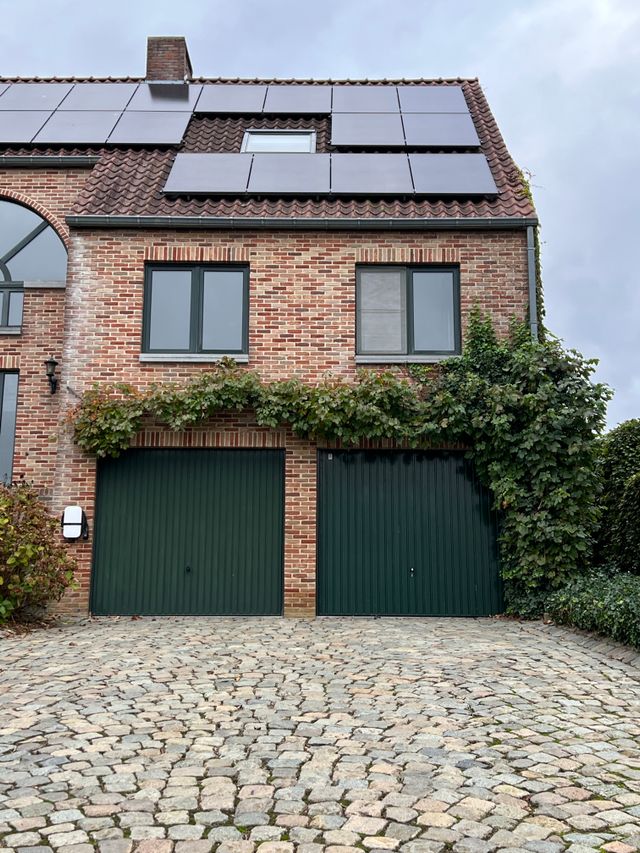
Homeowners are investing in eco-friendly upgrades for many reasons, from lowering utility bills to improving comfort and reducing environmental impact. While these improvements often add value to a property, they don’t automatically result in a smoother home inspection. What matters most is whether the upgrades are installed correctly, operating as intended, and integrated safely with the home’s existing systems.
A home inspection focuses on the condition and performance of the home’s major components. Green features are evaluated the same way as any other improvement—with an emphasis on safety, function, and visible condition.
Energy Efficiency Is a Plus—When Done Right
Many energy-saving upgrades can make a home more efficient without creating concerns during an inspection. New insulation, energy-efficient windows, upgraded HVAC equipment, and high-performance water heaters are all common improvements that can benefit a home.
However, quality installation is just as important as the product itself. Poorly installed insulation can trap moisture, improperly flashed windows can lead to water intrusion, and HVAC upgrades that aren’t correctly sized or maintained may not perform efficiently. An inspection helps identify visible issues that could affect the home’s long-term performance.
Solar Systems and Electrical Considerations
Solar panels have become increasingly common, offering homeowners an opportunity to reduce energy costs. During a home inspection, visible components associated with the system may be observed, including roof penetrations, mounting methods, and accessible electrical connections.
The inspection is not a performance test of the solar system itself, but any visible concerns—such as damaged roofing around mounting points, exposed wiring, or signs of water intrusion—may be noted. Proper installation and regular maintenance help ensure these systems continue performing safely.
Water-Saving Features Matter Too
Eco-friendly improvements extend beyond energy savings. Low-flow plumbing fixtures, efficient irrigation systems, rain barrels, and tankless water heaters all contribute to reducing water consumption.
These features generally present few inspection concerns when installed properly. Inspectors still evaluate plumbing fixtures for leaks, drainage issues, proper operation, and signs of previous water damage. Even the most efficient fixture can become a problem if installation shortcuts lead to leaks or moisture intrusion.
Maintenance Still Makes the Difference
One common misconception is that newer, environmentally friendly products require little or no maintenance. In reality, every home system benefits from regular care. HVAC filters need replacement, solar components should remain free of visible damage, sealants around windows and doors eventually wear out, and water-saving fixtures can still develop leaks over time.
Routine maintenance protects both the investment and the home’s overall condition.
The Bottom Line
Eco-friendly home upgrades are generally viewed as positive improvements when they are properly installed, well maintained, and functioning as intended. A home inspection isn’t designed to judge whether a home is “green,” but rather to evaluate the visible condition and operation of its components.
Thoughtful upgrades that prioritize quality workmanship often provide long-term benefits while helping a home perform more efficiently. Whether preparing to sell, purchase, or simply better understand a property’s condition, keeping sustainable improvements in good working order is one of the best ways to ensure they remain valuable assets for years to come.
Recent Comments