
There is something deceptively simple about grabbing a ladder and getting started on a household project. A gutter needs clearing, a porch light needs replacing, or a few branches are hanging over the roof. It may seem like a five-minute job, but working above ground level introduces risks that are easy to underestimate.
Ladder accidents are not limited to major construction projects. They can happen during ordinary home maintenance, often because someone is in a hurry or assumes a familiar task requires little preparation. Before heading up, take a closer look at what could go wrong.
Start With the Ladder, Not the Project
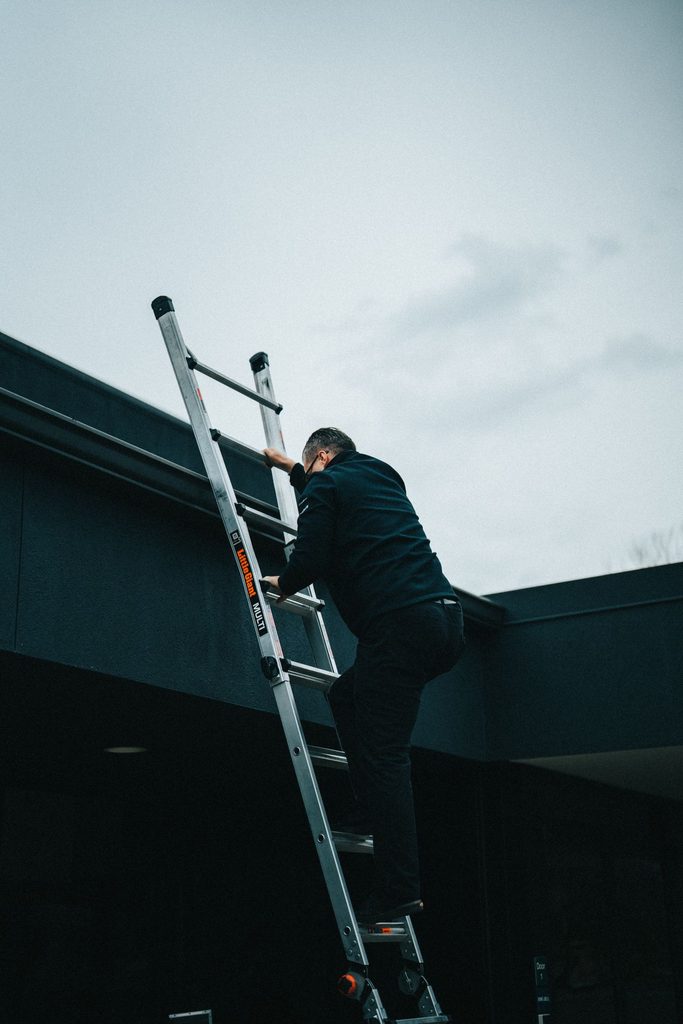
Before setting up, consider whether the ladder is appropriate for the work. A short stepladder is not a substitute for an extension ladder, and stretching to reach an area beyond your comfortable range is never a good solution.
Examine the entire ladder, including its feet, rungs, side rails, hinges, and locking hardware. Look for hairline cracks, loose connections, warping, or worn components. Even seemingly minor damage can affect stability. If the ladder is compromised, do not use it.
Also, check its duty rating. Your combined weight, clothing, tools, and supplies must remain within the manufacturer’s stated limit.
Your Property Can Present Hidden Hazards
One area that deserves particular attention is the ground beneath the ladder. Residential properties rarely offer perfectly uniform surfaces everywhere.
A ladder positioned on a sloping driveway, soft landscaping, loose stone, or a damp walkway may shift unexpectedly. Clear away garden hoses, toys, leaves, and other obstacles before positioning the equipment.
For extension ladders, use the 4-to-1 positioning guideline: Set the base one foot away from the supporting wall for every four feet of ladder height.
Look Up Before Looking Down
Overhead electrical service lines, tree branches, roof overhangs, and nearby structures can complicate an otherwise straightforward project.
Never position a ladder where it could contact an electrical line. Fiberglass ladders are nonconductive when clean and dry, but they do not eliminate the danger of working near electricity. Maintain the required clearance and contact the utility company or a qualified professional when necessary.
Weather matters, too. Wind, rain, frost, and icy surfaces can turn a stable setup into an unpredictable one. Postpone outdoor ladder work when conditions are unsafe.
Good Habits Matter at Every Height
When climbing, face the ladder and maintain three points of contact. Keep your belt buckle between the side rails rather than leaning sideways to reach a difficult spot. Move the ladder as often as necessary.
Never use the top cap of a stepladder as a standing surface unless the manufacturer specifically permits it. Keep the ladder fully opened and locked before climbing.
Make Safety Part of Property Maintenance
A well-maintained home requires occasional work at elevated heights, but not every project is suitable for a homeowner. Roof access, difficult gutter locations, and electrical work may call for professional assistance.
The best maintenance decision is not always doing the job yourself. Sometimes it is recognizing when the safest approach is to keep both feet on the ground.
A properly maintained property starts with good decisions, and ladder safety is one worth making every time.
Recent Comments