
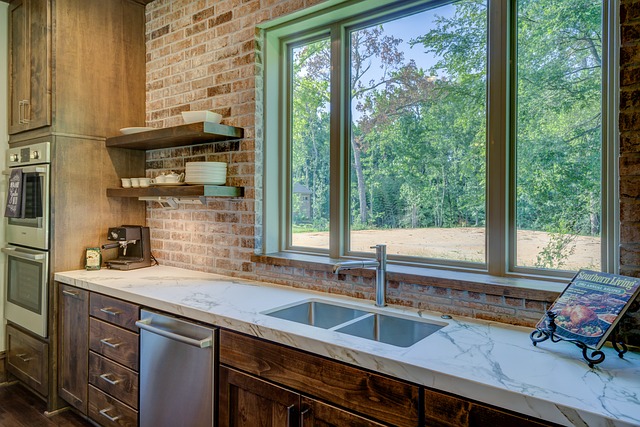
The kitchen countertop is one of the most heavily used surfaces in any home. It endures daily exposure to heat, moisture, sharp tools, spills, and frequent cleaning. When countertops are chosen based solely on appearance, homeowners often encounter issues later—staining, cracking, swelling, or premature wear. A smarter approach is to select a countertop that aligns with how the household actually operates day to day.
Start With How Your Household Uses the Kitchen
Every kitchen functions differently. Some households cook multiple meals a day, while others use the kitchen mainly for light food prep and entertaining. Homes with children, pets, or frequent guests need countertops that can tolerate impact, spills, and constant cleaning. In these cases, durability and resistance to damage should take priority over aesthetics alone. Materials such as quartz or properly sealed granite often perform well under consistent use.
Consider Maintenance Requirements Honestly
Maintenance is frequently underestimated. Some countertop materials require regular sealing or special cleaning products to prevent staining or surface damage. Natural stone, for example, can be porous and may absorb liquids if not maintained properly. For busy households, a low-maintenance surface can prevent long-term headaches and reduce the risk of damage that may not be immediately visible.
Factor in Climate and Moisture Exposure
Environmental conditions matter more than many homeowners realize. Seasonal temperature changes and humidity can affect how materials expand, contract, or absorb moisture. Countertops near sinks, dishwashers, or exterior walls are especially vulnerable. Materials that handle moisture well and are professionally installed with proper support and sealing tend to perform better over time.
Look Beyond the Initial Price Tag
Budget should be considered from a long-term perspective. A lower-cost countertop may seem appealing initially, but materials that scratch, stain, or fail early often lead to replacement costs sooner than expected. Investing in a durable, well-installed surface can provide better value over the life of the home, even if the upfront cost is higher.
Don’t Overlook Safety and Functionality
Countertops should support safe daily use. Rounded or eased edges reduce injury risk, particularly in households with children. Heat resistance matters if hot cookware is frequently placed on the surface. Texture and slip resistance also play a role in kitchens with heavy foot traffic and frequent food preparation.
Make Sure It Works With the Whole Kitchen
A countertop should complement cabinets, flooring, and lighting—but function should never be sacrificed for style. The best choices balance appearance with performance, blending into the space while quietly doing their job year after year.
Final Thoughts
Choosing a kitchen countertop is less about following trends and more about understanding real household needs. When durability, maintenance, climate, safety, and daily habits are all considered, homeowners end up with a surface that not only looks good but holds up reliably over time.
Recent Comments